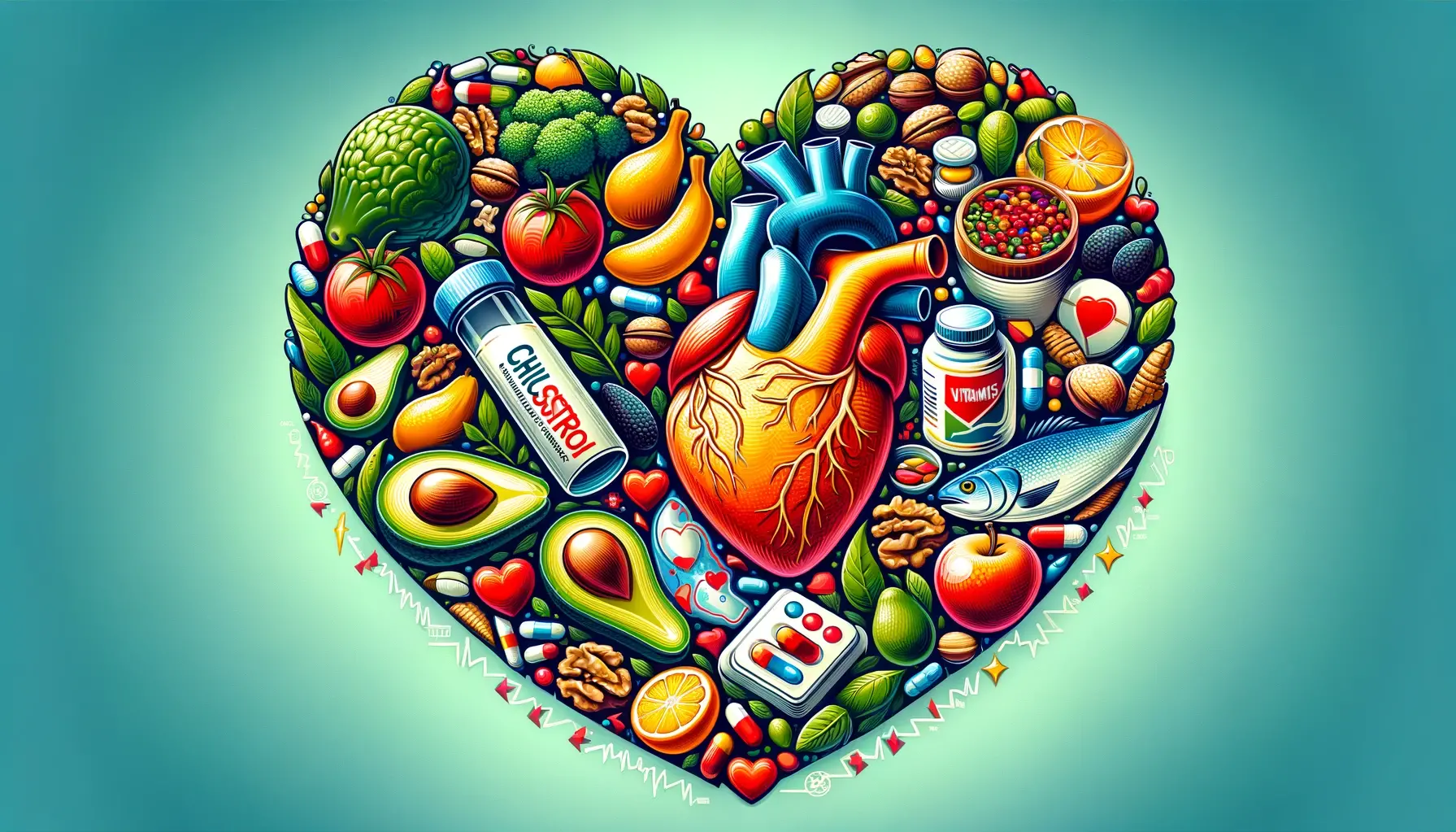
In the quest for a healthy heart, finding ways to boost your HDL cholesterol levels is crucial. HDL cholesterol, often referred to as “good” cholesterol, plays a vital role in removing harmful LDL cholesterol from your arteries. So, what are the best foods to incorporate into your diet to increase your HDL cholesterol? Read on to discover some delicious and nutritious options that can help elevate your heart health to new heights.
1. Avocado
Avocado is a delicious and nutritious fruit that is packed with health benefits. One of the main reasons why avocado is considered a heart-healthy food is because it is rich in monounsaturated fats. These healthy fats can help to increase high-density lipoprotein (HDL) cholesterol, often referred to as the “good” cholesterol, in your body. HDL cholesterol helps to remove low-density lipoprotein (LDL) cholesterol from your arteries, reducing the risk of heart disease. Including avocado in your diet can be a simple and tasty way to promote a healthy heart.
In addition to being high in monounsaturated fats, avocados also contain beta-sitosterol. This plant compound has been shown to help lower LDL cholesterol levels, further promoting heart health. Furthermore, avocados are loaded with fiber, which is beneficial for your overall health and can help to regulate cholesterol levels. Adding avocados to your salads, smoothies, or sandwiches can be a delicious and effective way to boost your HDL cholesterol levels.
2. Fatty Fish
Including fatty fish like salmon, mackerel, and trout in your diet is a great way to increase your intake of omega-3 fatty acids. These essential fats are known for their positive effects on heart health, including increasing HDL cholesterol levels. Omega-3 fatty acids have been shown to reduce inflammation in the body, which is an underlying cause of many chronic diseases, including heart disease.
Apart from being high in omega-3 fatty acids, fatty fish is also rich in essential nutrients like vitamin D, selenium, and protein. These nutrients play a vital role in maintaining overall health and preventing deficiencies. Salmon, for example, is an excellent source of vitamin D, which is necessary for optimal heart function. Including fatty fish in your weekly meal plan can be a delicious and nutritious way to support your heart health and improve your HDL cholesterol levels.
3. Nuts
Nuts are a great snack option and are packed with heart-healthy fats. These fats, including monounsaturated and polyunsaturated fats, can help to increase HDL cholesterol levels. Nuts like almonds, walnuts, and pistachios are also a good source of fiber, which can aid in lowering LDL cholesterol levels.
In addition to being high in heart-healthy fats and fiber, nuts also contain plant sterols. These compounds have a similar structure to cholesterol and can compete with it for absorption in your gut. As a result, consuming nuts can help reduce the absorption of cholesterol and promote heart health. Enjoying a handful of nuts as a snack or adding them to your salads and recipes is an easy and delicious way to boost your HDL cholesterol levels.
4. Olive Oil
Olive oil is a staple in the Mediterranean diet and is known for its numerous health benefits. It is high in monounsaturated fats, which can help to increase HDL cholesterol levels. Additionally, olive oil is rich in antioxidants, such as vitamin E, which can help to reduce inflammation and protect your cells from damage.
Studies have also suggested that olive oil has potential anti-inflammatory effects, which can further contribute to heart health. When choosing olive oil, opt for extra virgin olive oil, as it undergoes minimal processing and retains more of its beneficial compounds. Incorporating olive oil into your cooking and salad dressings can not only enhance the flavor of your meals but also support your heart health by boosting your HDL cholesterol.
5. Whole Grains
Whole grains, such as oats, brown rice, and quinoa, are excellent sources of soluble fiber. This type of fiber can help to reduce LDL cholesterol levels and improve overall heart health. Soluble fiber forms a gel-like substance in your intestines, which can bind to cholesterol and prevent its absorption into the bloodstream.
In addition to providing soluble fiber, whole grains are also rich in antioxidants. These compounds can help to protect your heart cells from damage caused by free radicals, reducing the risk of heart disease. Including whole grains in your diet can be as simple as choosing whole grain bread, pasta, or cereals instead of refined options. By doing so, you can improve your HDL cholesterol levels and support your heart health.
6. Legumes
Legumes, such as beans, lentils, and chickpeas, are a nutritious addition to your diet, especially if you’re looking to boost your HDL cholesterol levels. Legumes are a good source of soluble fiber, which can help to lower LDL cholesterol levels and support heart health. This soluble fiber acts as a sponge, absorbing cholesterol and preventing its reabsorption into the bloodstream.
Furthermore, legumes contain plant sterols, which are compounds that have a similar structure to cholesterol. Plant sterols can compete with cholesterol for absorption in the gut, reducing the amount of cholesterol that is absorbed into your bloodstream. Including legumes in your meals can be an easy and affordable way to increase your fiber intake and promote healthy cholesterol levels.
7. Dark Chocolate
Who knew that enjoying a piece of dark chocolate could have heart-healthy benefits? Dark chocolate is rich in antioxidants, particularly flavonoids, which can help to protect your heart cells from damage caused by free radicals. These antioxidants have been shown to improve HDL function, preventing it from becoming oxidized and reducing the risk of heart disease.
Moreover, dark chocolate may also reduce the oxidation of LDL cholesterol, which is a critical step in the development of atherosclerosis. Atherosclerosis is a condition where plaque builds up in your arteries, leading to narrowed and hardened arteries. By reducing LDL oxidation, dark chocolate may contribute to better heart health. However, it is important to choose dark chocolate with a high cocoa content and consume it in moderation to reap the benefits without excessive calorie intake.
8. Berries
Berries, such as strawberries, blueberries, and raspberries, are not only delicious but also packed with heart-healthy nutrients. These vibrant fruits are rich in antioxidants, particularly anthocyanins, which can help to reduce inflammation in the body and support heart health. Chronic inflammation is closely linked to the development of heart disease.
Furthermore, berries can help to improve HDL cholesterol levels due to their high content of fiber, vitamins, and minerals. Incorporating a variety of berries into your diet, whether fresh or frozen, can be a delightful and nutritious way to boost your HDL cholesterol and protect your heart.
9. Spinach
Popeye was onto something with his love for spinach! This leafy green vegetable is a great source of lutein, a carotenoid that has been linked to improved heart health. Studies have shown that lutein can help to lower LDL cholesterol oxidation, which is a critical step in the development of atherosclerosis.
Spinach is also rich in heart-healthy nutrients like vitamins A and C, as well as magnesium and potassium. These nutrients play vital roles in maintaining optimal heart function and overall health. Adding spinach to your salads, smoothies, or cooked dishes can be an easy and delicious way to support your heart health and improve your HDL cholesterol levels.
10. Garlic
Garlic not only adds flavor to your meals but also offers numerous health benefits, including supporting your HDL cholesterol levels. Garlic contains allicin, a compound that has been shown to improve HDL cholesterol levels and reduce LDL cholesterol levels. Allicin also has antioxidant properties, which can help to reduce inflammation and protect your heart cells from damage.
Furthermore, studies have suggested that garlic may improve HDL cholesterol function, making it even more beneficial for heart health. Including garlic in your cooking can be a simple and flavorful way to reap its health benefits and support your heart.
In conclusion, incorporating these ten heart-healthy foods into your diet can significantly boost your HDL cholesterol levels and promote overall heart health. From the creamy goodness of avocados to the antioxidant-rich dark chocolate, these foods offer a variety of flavors and health benefits. Whether you choose to sprinkle nuts on your salads, cook with olive oil, or enjoy a piece of dark chocolate after dinner, these small dietary changes can have a big impact on your heart health. So, why not start incorporating these delicious and nutritious foods into your meals today and take a step towards a healthier heart?