Are you looking for a simple and effective way to manage your cholesterol levels? Look no further than this beginner’s guide to using vitamins and natural remedies. Whether you’re just starting on your journey or seeking alternative options, this article will provide you with valuable information and tips to help you take control of your cholesterol naturally. From the benefits of certain vitamins to the power of natural remedies, you’ll discover practical solutions that can make a real difference in your health. So, let’s explore the world of vitamins and natural remedies for cholesterol together!
Understanding Cholesterol
Cholesterol is a waxy, fat-like substance that is found in all cells of the body. It plays a vital role in the production of hormones, Vitamin D, and the digestive substance bile. However, having high levels of cholesterol in the blood can lead to serious health problems, including heart disease and stroke. To better understand cholesterol and its impact on our health, let’s delve into the topic.
What is cholesterol?
Cholesterol is a type of lipid, or fat, that is produced by the liver and also ingested through certain foods we consume. It is essential for the proper functioning of our body, as it is used to build cell membranes and produce hormones. However, there are two main types of cholesterol that we need to be aware of: LDL (low-density lipoprotein) cholesterol, often referred to as the “bad” cholesterol, and HDL (high-density lipoprotein) cholesterol, commonly known as the “good” cholesterol.
Types of cholesterol
LDL cholesterol is called “bad” cholesterol because high levels of it can lead to the buildup of plaque in the arteries, narrowing them and increasing the risk of heart disease and stroke. On the other hand, HDL cholesterol is considered “good” because it helps remove LDL cholesterol from the arteries and transports it back to the liver for processing and elimination.
The impact of cholesterol on health
High cholesterol levels can have a negative impact on our health, increasing the risk of developing cardiovascular diseases. When LDL cholesterol builds up in the arteries, it can lead to atherosclerosis, a condition where the arteries harden and narrow, reducing blood flow. This can result in chest pain, heart attacks, and strokes. It’s crucial to maintain a healthy balance of cholesterol levels in the body to prevent these serious health issues.
Risk Factors for High Cholesterol
Understanding the risk factors associated with high cholesterol is essential in taking proactive steps to manage and control one’s cholesterol levels. Various factors can contribute to elevated cholesterol levels, including:
Family history
If your parents or close relatives have high cholesterol, you may be more susceptible to developing it as well. Genetic factors can influence the way your body produces and processes cholesterol.
Poor diet
A diet high in saturated and trans fats, cholesterol-rich foods, and processed foods can contribute to high cholesterol levels. It’s important to be mindful of what you eat and make healthier choices to maintain optimal cholesterol levels.
Lack of exercise
Physical inactivity can lead to weight gain, high blood pressure, and unfavorable cholesterol levels. Incorporating regular exercise into your routine can help increase HDL cholesterol levels and promote overall heart health.
Obesity
Being overweight or obese can have a negative impact on cholesterol levels. Excess weight can lead to higher LDL cholesterol and triglyceride levels while decreasing HDL cholesterol levels. Maintaining a healthy weight is crucial for managing cholesterol.
Smoking
Smoking not only damages the cardiovascular system but also lowers HDL cholesterol levels. It contributes to the buildup of plaque in the arteries, increasing the risk of heart disease and stroke. Quitting smoking can have a significant positive impact on cholesterol levels and overall health.
Age and gender
Cholesterol levels tend to increase with age, especially in women after menopause. Additionally, men typically have higher cholesterol levels than women until women reach menopause. Understanding these changes can help inform cholesterol management strategies for different age groups and genders.
Medical conditions
Certain medical conditions, such as diabetes, hypothyroidism, and kidney disease, can influence cholesterol levels. It’s important to work closely with your healthcare provider to manage these conditions and monitor cholesterol levels regularly.
Dietary Changes
One of the most impactful ways to manage high cholesterol levels is through dietary changes. By making simple adjustments and being mindful of the foods we consume, we can make a significant difference in our cholesterol levels. Here are some dietary changes that can help regulate cholesterol:
Avoiding saturated and trans fats
Saturated and trans fats are known to increase LDL cholesterol levels. Foods high in these fats include fatty meats, full-fat dairy products, fried foods, and commercially baked goods. Opting for lean cuts of meat, low-fat dairy alternatives, and homemade meals can help limit the intake of these harmful fats.
Choosing healthy fats
Not all fats are bad for cholesterol levels. Monounsaturated fats and polyunsaturated fats, found in avocados, nuts, seeds, and fatty fish, can have a positive impact on cholesterol. Incorporating these healthy fats into your diet can help increase HDL cholesterol levels and reduce LDL cholesterol.
Increasing fiber intake
Dietary fiber, particularly soluble fiber, can help lower LDL cholesterol levels. Foods rich in soluble fiber include oats, barley, legumes, fruits, and vegetables. Adding these fiber-rich foods to your meals can be beneficial in managing cholesterol levels.
Consuming plant sterols and stanols
Plant sterols and stanols are compounds naturally found in fruits, vegetables, nuts, and seeds that have been shown to lower LDL cholesterol levels. Consuming foods fortified with these substances or taking supplements can contribute to overall cholesterol management.
Adding omega-3 fatty acids
Omega-3 fatty acids, found in fatty fish like salmon, mackerel, and trout, as well as walnuts and flaxseeds, have been recognized for their heart-healthy benefits. Including these sources of omega-3 fatty acids in your diet can help lower triglyceride levels and reduce the risk of heart disease.
Importance of Physical Activity
In addition to dietary changes, regular physical activity is crucial for managing cholesterol levels and promoting overall heart health. Engaging in regular exercise offers a multitude of benefits, including:
How exercise affects cholesterol levels
Physical activity has been shown to increase HDL cholesterol levels, also known as the “good” cholesterol. It can also help decrease LDL cholesterol levels, thus reducing the risk of plaque buildup in the arteries. Exercise also promotes weight loss, which can positively impact cholesterol levels.
Types of exercises that help reduce cholesterol
Both aerobic exercise and strength training can have a positive effect on cholesterol levels. Aerobic exercises, such as brisk walking, jogging, cycling, or swimming, can help increase HDL cholesterol levels and improve heart health. Strength training exercises, using weights or resistance bands, can help build lean muscle mass and support healthy weight management.
Recommended duration and frequency
To reap the cholesterol-lowering benefits of exercise, it is recommended to engage in at least 150 minutes of moderate-intensity aerobic activity or 75 minutes of vigorous-intensity aerobic activity per week. Additionally, incorporating strength training exercises two or more days a week can further enhance cholesterol management.
Vitamins for Cholesterol Control
Certain vitamins have been studied for their potential role in cholesterol control. While they are not a substitute for a healthy lifestyle and medical advice, they can complement cholesterol management efforts. Here are some vitamins that have shown promise in supporting cholesterol control:
Vitamin B3 (Niacin)
Niacin, a form of vitamin B3, has been found to have positive effects on cholesterol levels. It can help lower LDL cholesterol and triglyceride levels while increasing HDL cholesterol. However, it’s important to consult a healthcare professional before starting niacin supplementation, as it can have side effects and interact with other medications.
Vitamin C
Vitamin C, known for its antioxidant properties, has been associated with favorable effects on cholesterol levels. It may help lower LDL cholesterol and increase HDL cholesterol. Incorporating vitamin C-rich foods, such as citrus fruits and berries, into your diet can support overall heart health.
Vitamin E
Vitamin E is an antioxidant that may have a protective effect on LDL cholesterol against oxidation, reducing its harmful impact on the arteries. Including sources of vitamin E in your diet, such as nuts, seeds, and vegetable oils, can have potential benefits for cholesterol control.
Vitamin D
Vitamin D deficiency has been linked to unfavorable cholesterol profiles. Ensuring adequate vitamin D levels through sun exposure, fortified foods, or supplementation may contribute to maintaining optimal cholesterol levels. Consulting a healthcare professional for personalized advice is recommended.
Coenzyme Q10
Coenzyme Q10, a compound found naturally in the body and certain foods, has been studied for its potential role in cholesterol management. It can help reduce LDL cholesterol levels, increase HDL cholesterol levels, and support overall heart health. However, further research is needed to fully understand its effectiveness for cholesterol control.
Minerals for Cholesterol Control
In addition to vitamins, certain minerals have been studied for their potential effects on cholesterol levels. Incorporating these minerals into a balanced diet can support overall cholesterol control. Here are some minerals that may play a role in managing cholesterol:
Magnesium
Magnesium plays a vital role in numerous physiological processes, including cholesterol metabolism. Adequate magnesium intake has been associated with favorable cholesterol levels. Good sources of magnesium include almonds, spinach, legumes, and whole grains.
Zinc
Zinc is an essential mineral that may contribute to cholesterol management. It has been found to help reduce LDL cholesterol levels and increase HDL cholesterol levels. Foods rich in zinc include oysters, beef, chicken, nuts, and seeds.
Selenium
Selenium is a trace mineral that has been studied for its potential role in cholesterol control. It may help reduce LDL cholesterol levels and increase HDL cholesterol levels. Brazil nuts, seafood, whole grains, and eggs are good dietary sources of selenium.
Calcium
Calcium is commonly known for its role in bone health, but it may also have an impact on cholesterol levels. Adequate calcium intake has been associated with favorable cholesterol profiles. Dairy products, leafy greens, and fortified plant-based milk alternatives are good sources of calcium.
Potassium
Potassium is an essential mineral that may contribute to cholesterol management. It has been found to help lower LDL cholesterol levels. Good sources of potassium include bananas, oranges, potatoes, spinach, and beans.
Herbs and Natural Remedies
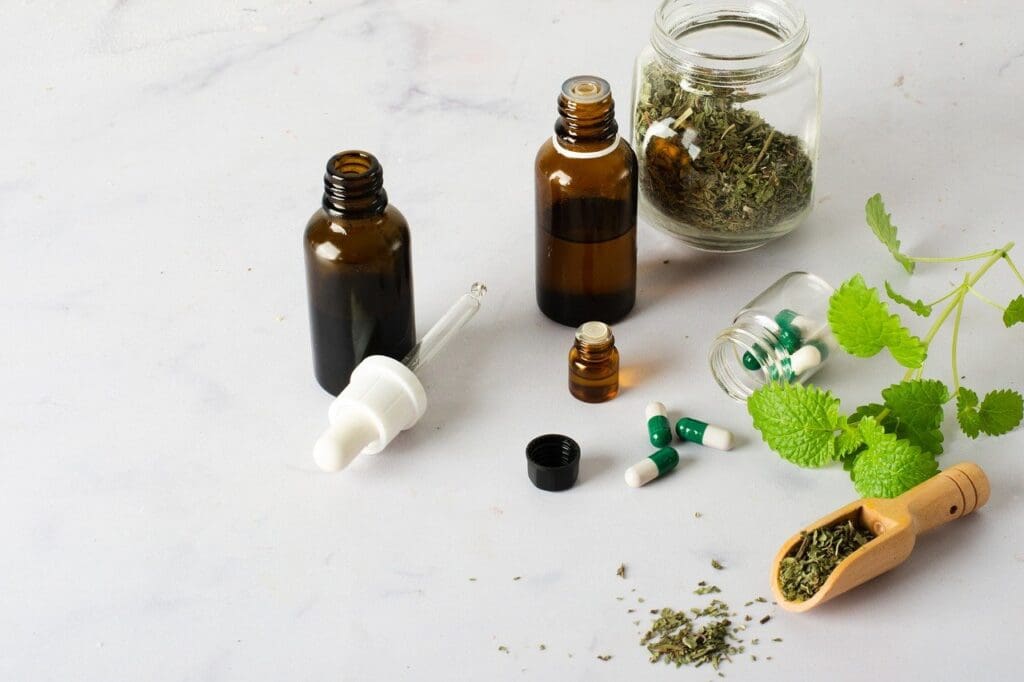
Certain herbs and natural remedies have been used for centuries in traditional medicine for various health concerns, including cholesterol management. While scientific research on the effectiveness of these remedies is still ongoing, they may offer additional support in conjunction with a healthy lifestyle. Here are some herbs and natural remedies that have shown promise in cholesterol control:
Garlic
Garlic has been used for its medicinal properties for centuries and has been studied for its potential cholesterol-lowering effects. It may help reduce LDL cholesterol levels and increase HDL cholesterol levels. Incorporating garlic into your daily meals or taking garlic supplements may offer support in managing cholesterol.
Turmeric
Turmeric, a vibrant yellow spice commonly used in curry dishes, has gained popularity for its potential health benefits. Curcumin, the active compound in turmeric, has been studied for its positive effects on cholesterol levels. It may help lower LDL cholesterol and triglyceride levels while increasing HDL cholesterol levels.
Ginger
Ginger is a widely used spice known for its anti-inflammatory properties. It has also been studied for its potential effects on cholesterol levels. Ginger may help reduce LDL cholesterol levels and lower the risk of developing heart disease. Adding fresh ginger to meals, drinking ginger tea, or taking ginger supplements may offer support for cholesterol control.
Fenugreek
Fenugreek seeds have been used in traditional medicine to support various health conditions, including cholesterol management. Studies have shown that fenugreek may help reduce LDL cholesterol and triglyceride levels while increasing HDL cholesterol levels. Consuming fenugreek seeds or taking fenugreek supplements may be beneficial in supporting cholesterol control.
Artichoke leaf extract
Artichoke leaf extract is derived from the leaves of the artichoke plant and has been utilized for its potential cholesterol-lowering effects. It may help decrease total cholesterol levels and LDL cholesterol levels. Artichoke leaf extract supplements can be explored as a natural remedy for cholesterol management.
Supplements for Cholesterol Management
In addition to lifestyle modifications and natural remedies, certain supplements may provide additional support in managing cholesterol levels. It’s important to consult with a healthcare professional before starting any supplementation regimen to ensure compatibility with existing medications and individual needs. Here are some supplements that have been studied for their potential cholesterol-lowering effects:
Red yeast rice
Red yeast rice is a traditional Chinese fermented rice product that contains naturally occurring statins, compounds known for their cholesterol-lowering properties. Red yeast rice supplements may help reduce LDL cholesterol levels. It’s important to note that these supplements can vary in potency and should only be taken under medical supervision.
Fish oil
Fish oil supplements, rich in omega-3 fatty acids, have long been recognized for their heart-healthy benefits. They can help lower triglyceride levels and may have positive effects on overall cholesterol profiles. High-quality fish oil supplements can be considered as part of a comprehensive cholesterol management plan.
Plant sterols and stanols
Plant sterols and stanols, naturally found in fruits, vegetables, nuts, and seeds, have been shown to help reduce LDL cholesterol levels. These compounds can be consumed through fortified food products or supplements. Incorporating plant sterols and stanols into your diet can offer additional support in cholesterol control.
Green tea extract
Green tea extract contains antioxidant compounds, such as catechins, that may have cholesterol-lowering effects. Regular consumption of green tea or green tea extract supplements has been associated with modest reductions in LDL cholesterol levels. It’s important to choose high-quality supplements and follow the recommended dosage.
Psyllium husk
Psyllium husk, a soluble fiber derived from the seeds of the Plantago ovata plant, has been studied for its potential benefits in cholesterol control. It can help lower LDL cholesterol levels and improve overall cholesterol profiles. Psyllium husk supplements can be taken with water or added to foods and beverages to support cholesterol management.

Interactions and Side Effects
When considering vitamins, minerals, herbs, natural remedies, and supplements for cholesterol management, it’s crucial to consult with a healthcare professional. They can evaluate your overall health, assess potential interactions with existing medications, and provide personalized recommendations. Some considerations include:
Consulting a healthcare professional
Before starting any new supplements or making significant dietary changes, it’s important to consult with a healthcare professional. They can help determine the appropriate approach for your individual needs and provide guidance on managing cholesterol levels effectively.
Possible drug interactions
Certain vitamins, minerals, herbs, natural remedies, and supplements can interact with medications, potentially affecting their effectiveness or causing adverse reactions. It’s essential to inform your healthcare professional about all medications, including over-the-counter and herbal remedies, to ensure compatibility and minimize risks.
Potential side effects
Some vitamins, minerals, herbs, natural remedies, and supplements can cause side effects, especially in high doses or with pre-existing health conditions. It’s important to be aware of potential side effects and seek medical advice if any adverse reactions occur. Additionally, following recommended dosages and guidelines is crucial to minimize risks.
Final Thoughts
Managing and controlling cholesterol levels requires a comprehensive approach that encompasses lifestyle modifications, natural remedies, and medical advice. It’s important to remember that no single remedy or supplement can replace a healthy lifestyle, including a balanced diet and regular exercise. Combining natural remedies with medical advice from a healthcare professional can help ensure a holistic approach to cholesterol management.
Monitoring cholesterol levels regularly is also essential to assess progress and make necessary adjustments to your cholesterol management plan. Remember, everyone’s journey to managing cholesterol is unique, so it’s important to work closely with healthcare professionals to create an individualized plan that suits your specific needs and goals. By taking proactive steps and making informed choices, you can promote optimal heart health and maintain healthy cholesterol levels.