

Welcome to an article discussing natural remedies for vitamin deficiency. In today’s fast-paced world, it can be challenging to get all the essential vitamins and nutrients our bodies need. Luckily, there are several natural remedies that can help supplement any deficiencies you may be experiencing. From incorporating more whole foods into your diet to taking herbal supplements, there are plenty of options to explore. Let’s dive in and explore some of the best natural remedies for vitamin deficiency. Are There Any Natural Remedies for Vitamin Deficiency?
Have you been feeling tired, sluggish, or just not yourself lately? Do you find yourself getting sick more often than usual? You may be experiencing symptoms of a vitamin deficiency. But fear not, there are natural remedies that can help you replenish your body’s nutrient levels and get you feeling like your best self again.

Understanding Vitamin Deficiency
Vitamins are essential nutrients that play a crucial role in maintaining your overall health and well-being. They help regulate your metabolism, support your immune system, and aid in various bodily functions. When you don’t get enough of certain vitamins, you may experience a range of symptoms that can impact your quality of life.
Signs and Symptoms of Vitamin Deficiency
- Fatigue
- Weakness
- Dizziness
- Pale or yellowish skin
- Brittle or spoon-shaped nails
- Hair loss
- Mouth ulcers
- Muscle cramps
If you are experiencing any of these symptoms, it’s essential to consult a healthcare professional to determine if you have a vitamin deficiency and identify which specific nutrient you may be lacking.
Natural Remedies for Vitamin Deficiency
While supplements are a quick and convenient way to boost your vitamin levels, natural remedies can also be effective in restoring balance to your body. Here are some natural remedies for common vitamin deficiencies:
Vitamin D
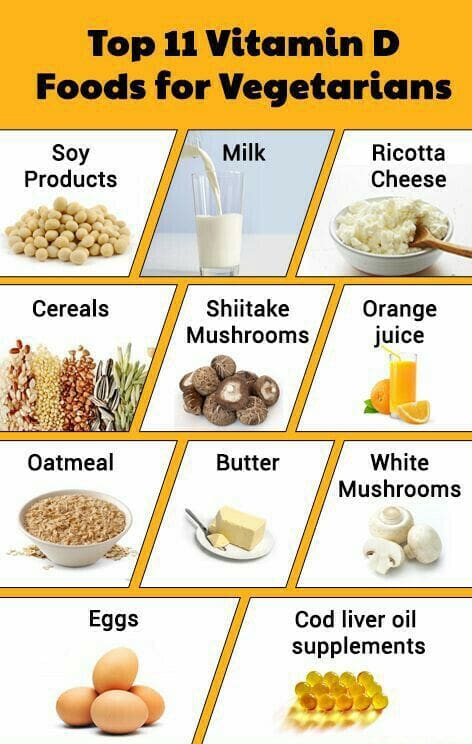
Vitamin D is essential for bone health, immune function, and overall well-being. Spending time in the sun is one of the best ways to naturally increase your vitamin D levels. Aim for about 10-30 minutes of sun exposure without sunscreen a few times a week. Foods high in vitamin D include fatty fish like salmon and mackerel, egg yolks, and fortified dairy products.
Vitamin B12
Vitamin B12 is necessary for nerve function, red blood cell production, and DNA synthesis. To naturally increase your B12 intake, incorporate foods like meat, fish, eggs, and dairy into your diet. If you follow a vegan or vegetarian diet, consider adding B12-fortified foods or taking a supplement to meet your body’s needs.
Vitamin C
Vitamin C is a powerful antioxidant that supports immune function, collagen production, and wound healing. Citrus fruits like oranges, lemons, and grapefruits are excellent sources of vitamin C. You can also find this essential nutrient in bell peppers, strawberries, and kiwi.
Supplementing with Superfoods
Superfoods are nutrient-dense foods that are rich in essential vitamins, minerals, and antioxidants. Incorporating these foods into your diet can help you meet your daily nutrient requirements and support your overall health. Here are some superfoods that can help with common vitamin deficiencies:
Spirulina
Spirulina is a blue-green algae that is packed with vitamins, minerals, and antioxidants. It is a rich source of vitamin B12, iron, and protein, making it an excellent supplement for vegans and vegetarians who may be deficient in these nutrients. You can add spirulina powder to smoothies, juices, or water for an easy nutrient boost.
Chia Seeds
Chia seeds are tiny nutritional powerhouses that are high in fiber, omega-3 fatty acids, and protein. They are also a good source of calcium, magnesium, and phosphorus, which are essential for bone health and muscle function. Sprinkle chia seeds on top of yogurt, oatmeal, or salads for a nutrient-packed meal.
Turmeric
Turmeric is a golden spice that contains curcumin, a potent antioxidant with anti-inflammatory properties. Curcumin can help reduce inflammation, boost immune function, and support healthy digestion. Add turmeric to soups, stews, stir-fries, or teas to enjoy its health benefits.

Lifestyle Changes to Prevent Vitamin Deficiency
In addition to incorporating natural remedies and superfoods into your diet, making simple lifestyle changes can help prevent vitamin deficiencies and promote overall wellness. Here are some tips to keep your nutrient levels in check:
Eat a Balanced Diet
Aim to eat a variety of fruits, vegetables, whole grains, and lean proteins to ensure you are getting a diverse range of nutrients. Incorporating different-colored fruits and vegetables into your meals can help you cover all your vitamin bases.
Get Regular Exercise
Regular physical activity not only helps maintain a healthy weight and boost your mood but also supports overall nutrient absorption. Exercise can stimulate your metabolism, improve circulation, and promote the efficient use of vitamins and minerals in your body.
Manage Stress
Chronic stress can deplete your body of essential nutrients and weaken your immune system. Practicing stress-reducing activities like meditation, yoga, deep breathing, or journaling can help you relax, recharge, and support your body’s natural healing processes.

Conclusion
Vitamin deficiency can have a significant impact on your health and well-being, but there are natural remedies and lifestyle changes you can make to replenish your nutrient levels and feel your best self again. By understanding the signs and symptoms of vitamin deficiency, incorporating superfoods into your diet, and making simple lifestyle changes, you can support your body’s natural healing processes and promote overall wellness. Remember to consult a healthcare professional before making any major changes to your diet or lifestyle to ensure you are meeting your body’s specific nutrient needs.
